
When winter arrives in the UK, temperatures drop, cold winds increase, and infections spread faster. During this season, many people experience ear problems such as blockages, pain, infections, and reduced hearing. At Gloucester Ear Health Clinic, we see a big rise in patients during winter who suffer from issues caused by cold weather, dry indoor heating, and seasonal viruses.
In this simple guide, you will learn why ear problems worsen in winter, what symptoms to look for, how to prevent them, and when you should get professional help such as ear microsuction.
This guide is written in clear, everyday language so you can easily understand and protect your ear health during winter.
Why Winter Causes More Ear Problems
Winter weather affects your ears more than you may think. Here are the most common reasons:
1. Cold Air Makes Earwax Hard
When the weather is cold, the ear canal becomes dry. This makes earwax harder and thicker. Hard wax becomes stuck inside the ear and causes:
- Blockage
- Pressure
- Reduced hearing
- Ear discomfort
Many people notice more blockages between December and February.
2. Viral Infections Increase
Winter is peak season for:
- Colds
- Flu
- Sinus infections
- Sore throat
- Respiratory viruses
These infections often spread to the ear because the ear, nose, and throat are connected. This can lead to:
- Fluid buildup
- Ear infections
- Pain and pressure
3. Indoor Heating Dries the Ear Canal
Heaters remove moisture from the air. Dry air makes the ear canal itchy and more sensitive.
4. Winter Allergies
Many people have dust allergies due to closed indoor spaces. Dust can irritate the ear canal and increase earwax.
5. Cold Wind Can Cause Ear Pain
Strong wind can make the ear canal sensitive, especially if you are:
- Working outdoors
- Running
- Cycling
Common Winter Ear Problems
Below are the ear problems we commonly treat at Gloucester Ear Health Clinic every winter.
1. Earwax Blockage
This is the number one issue we treat in cold months.
Symptoms
- Hard earwax
- Blocked feeling
- Muffled hearing
- Ear pressure
- Itching
When the wax becomes too dry, it stays inside the ear instead of naturally coming out.
Why It Gets Worse in Winter
Cold air + dry heating = less moisture → harder wax.
2. Ear Infection (Otitis Media & Otitis Externa)
Middle Ear Infection (Otitis Media)
This infection affects the space behind your eardrum. It often starts with a cold.
Symptoms:
- Sharp pain
- Fever
- Reduced hearing
- Fluid behind eardrum
Outer Ear Infection (Otitis Externa / Swimmer’s Ear)
This affects the ear canal.
Symptoms:
- Pain when touching ear
- Redness
- Discharge
- Swelling
3. Tinnitus (Ringing Sounds)
Cold weather, stress, and blocked ears can trigger temporary tinnitus.
4. Eustachian Tube Dysfunction
The tube that connects your ear to your throat becomes blocked due to cold or congestion.
Symptoms
- Pressure
- Popping
- Muffled hearing
- Fullness in ear
This is common after colds and sinus infections.
Why Ear Microsuction Is the Best Option in Winter
At Gloucester Ear Health Clinic, we use safe and effective microsuction, which is the recommended method by UK health experts.
Why Microsuction Is Better Than Ear Syringing
- No water used (safe for winter infections)
- Works even with hard wax
- Safe for people with a perforated eardrum
- Quick: only 10–15 minutes
- Comfortable and gentle
Syringing can push wax deeper or cause infection — not recommended in winter when ears are sensitive.
How We Treat Winter Ear Problems at Gloucester Ear Health Clinic
Our clinic follows a simple, safe, and professional process:
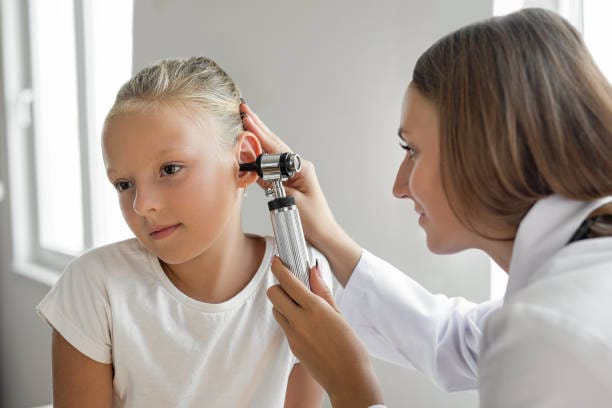
1. Full Ear Examination
We check:
- Earwax condition
- Redness or swelling
- Infection signs
- Eardrum health
- Fluid buildup
2. Microsuction Ear Cleaning
We use a gentle suction device to remove blocked wax safely.
3. Advice for Winter Care
We guide you on:
- Using olive oil drops
- Protecting ears from cold
- Managing allergies
- Avoiding further blockage
4. Follow-Up if Needed
For infections, we recommend appropriate medical treatment or GP visit.
Who Is More at Risk of Winter Ear Problems?
- Children
- Elderly people
- People with sinus issues
- People with allergies
- Workers who stay outdoors in cold
- People with regular earwax buildup
- Hearing aid users
Hearing aids can trap earwax and lead to faster blockage in winter.
How to Prevent Ear Problems in Winter
Here are simple ways to protect your ear health during cold months.
1. Keep Ears Warm
Use:
- Earmuffs
- Winter hats
- Hoodies
- Scarves
Protecting ears from cold wind prevents pain and inflammation.
2. Avoid Using Cotton Buds
Cotton buds push wax deeper into the ear. They can also scratch the skin and cause infections.
3. Use Olive Oil Drops
A few drops once or twice a week can help soften wax.
Only use high-quality, pharmacy-recommended drops.
4. Stay Hydrated
Drinking warm water keeps mucus thin and reduces congestion.
5. Manage Allergies
Clean your home regularly to reduce dust and indoor allergens.
6. Avoid Ear Candling
It is unsafe and not medically recommended.
When You Should Visit an Ear Clinic
Visit a professional ear clinic immediately if you have:
- Sudden hearing loss
- Severe ear pain
- Ongoing blockage
- Ringing that doesn’t stop
- Discharge or foul smell
- Pressure for more than 3 days
- Pain after a cold
Delaying treatment can make symptoms worse.
FAQs – Winter Ear Care
1. Why does my hearing get worse in winter?
Cold weather makes earwax harder, and infections block the ear canal.
2. Can cold wind cause ear pain?
Yes, cold wind can irritate the ear canal and cause sharp pain.
3. Is microsuction safe for sensitive ears?
Yes. Microsuction is safe, gentle, and recommended for all ages.
4. How often should I clean my ears professionally?
Every 6–12 months, or sooner if you have regular wax buildup.
5. Can winter colds cause ear infections?
Yes. Ear, nose, and throat are connected, so a cold can spread to the ear.
Final Tips for Healthy Ears This Winter
- Protect your ears from cold wind
- Avoid cotton buds
- Use olive oil drops to soften wax
- Stay hydrated
- Visit a clinic if symptoms do not improve
Healthy ears help you enjoy winter without discomfort.
Need Safe Ear Cleaning in Gloucester?
At Gloucester Ear Health Clinic, we offer:
✔ Professional ear microsuction
✔ Safe removal of hard winter wax
✔ Friendly and experienced staff
✔ Same-day appointments
✔ Full ear health check
Your hearing comfort is our priority — especially in winter when you need extra care.