
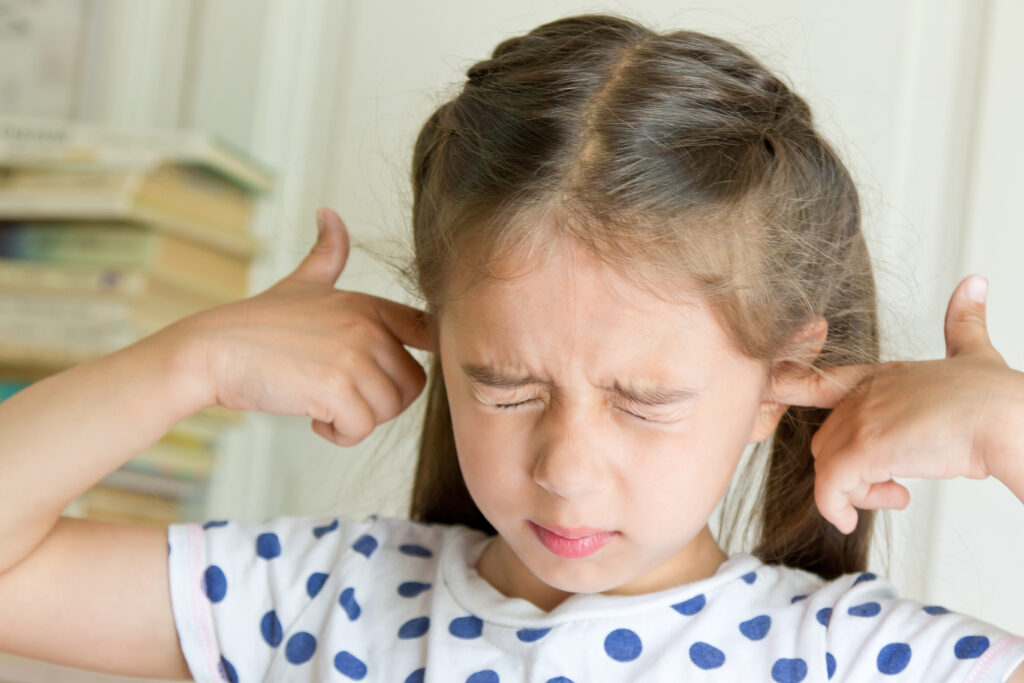
Children and teenagers depend on healthy ears for learning, communication, and overall development. From listening in the classroom to enjoying music and sports, good ear health plays a vital role in a child’s daily life. Unfortunately, ear problems are very common in kids and teens, and many parents do not notice them until they become serious.
This complete parent’s guide explains the 6 best ear health practices for kids and teens, why they matter, common warning signs, and when to seek professional help. By following these simple steps, parents in Gloucester can protect their child’s hearing and ear health for the long term.
Why Ear Health Is So Important for Children and Teenagers
Healthy ears are essential for:
- Proper speech and language development
- Learning and concentration at school
- Social interaction and confidence
- Balance and coordination
- Overall quality of life
Even small ear issues, such as ear wax build-up or mild hearing loss, can affect a child’s academic performance and behaviour. Teenagers are also at higher risk due to headphone use, loud music, and sports activities.
Early care and prevention can avoid long-term damage.
1. Teach Safe Ear Cleaning Habits (Never Use Cotton Buds)
One of the most common ear health mistakes parents make is allowing children to clean their ears using cotton buds.
Why Cotton Buds Are Dangerous
Cotton buds:
- Push ear wax deeper into the ear canal
- Increase the risk of blockages
- Can damage the ear drum
- May cause infections
Ear wax is natural and helps protect the ear. The ear usually cleans itself.
What Parents Should Do Instead
- Clean only the outer ear using a damp cloth
- Never insert anything into the ear canal
- Teach children that ears are self-cleaning
If ear wax becomes a problem, professional ear wax removal using safe methods like microsuction is the best option.
2. Protect Young Ears from Loud Noises
Loud noise exposure is one of the biggest risks to children’s hearing today, especially for teenagers.
Common Noise Risks for Kids & Teens
- Headphones and earphones
- Loud music and concerts
- Gaming headsets
- School events and sports matches
- Fireworks and festivals
Noise-induced hearing loss can be permanent, but it is completely preventable.
Simple Noise Protection Tips
- Follow the 60/60 rule:
Use headphones at no more than 60% volume for 60 minutes - Choose noise-limiting headphones for children
- Encourage breaks from screens and music
- Use ear protection at loud events
Teaching healthy listening habits early helps prevent hearing damage later in life.
3. Keep Ears Dry to Prevent Infections
Children are more likely to experience ear infections, especially after swimming or bathing.
Why Moisture Causes Ear Problems
Water trapped in the ear can:
- Encourage bacteria growth
- Cause swimmer’s ear
- Lead to pain, itching, or discharge
How to Keep Ears Dry
- Gently dry ears after swimming or bathing
- Tilt the head to let water drain naturally
- Avoid inserting tissues or objects into the ear
- Use swimming ear plugs if recommended
If your child complains of ear pain after swimming, it is best to have their ears checked by a professional.
4. Watch for Early Signs of Ear or Hearing Problems
Children do not always explain ear discomfort clearly. Parents should watch for early warning signs.
Common Signs of Ear Problems in Kids
- Asking for repetition often
- Turning up TV or device volume
- Complaining of blocked or full ears
- Ear pain or itching
- Difficulty concentrating at school
- Balance or dizziness issues
Signs in Teenagers
- Ringing in the ears (tinnitus)
- Sensitivity to loud sounds
- Avoiding conversations
- Frequent headphone use at high volume
Early detection makes treatment easier and more effective.
5. Schedule Regular Ear Health Checks
Many parents wait until a problem appears before seeing an ear specialist. Regular ear checks can prevent serious issues.
Benefits of Routine Ear Health Checks
- Early detection of wax build-up
- Identification of hearing changes
- Prevention of infections
- Peace of mind for parents
Children who have frequent ear infections, speech delays, or learning difficulties benefit greatly from regular ear assessments.
How Often Should Children Have Ear Checks?
- Toddlers and young children: as advised by a professional
- School-age children: every 12–24 months
- Teens with headphone use: at least once a year
Professional ear health checks are safe, gentle, and child-friendly.
6. Choose Professional Ear Care Instead of Home Treatments
Home remedies for ear problems are widely shared online, but many are unsafe for children.
Avoid These Home Treatments
- Ear candling
- Oils or drops without advice
- DIY ear syringing
- Online ear cleaning tools
These methods can cause burns, infections, or ear drum damage.
Safe Professional Care Options
- Microsuction ear wax removal
- Gentle ear examinations
- Hearing screening tests
- Expert advice for parents
Professional care ensures your child’s ears are treated safely and correctly.
Ear Health Tips for School-Age Children
School environments can place extra demands on hearing.
Parents should:
- Inform teachers about any hearing concerns
- Seat children closer to the teacher if needed
- Monitor learning progress
- Encourage open communication about ear discomfort
Good hearing supports academic success and confidence in the classroom.
Ear Health Tips for Teenagers
Teenagers often underestimate ear health risks.
Encourage teens to:
- Lower headphone volume
- Take listening breaks
- Report ringing or discomfort early
- Attend ear health checks without fear
Education and awareness help teens take responsibility for their hearing.
When Should Parents Seek Professional Help?
Parents should book an ear health appointment if their child experiences:
- Persistent ear pain
- Hearing difficulties
- Repeated ear infections
- Ringing or buzzing sounds
- Balance or dizziness problems
- Speech or learning delays
Early professional care prevents long-term complications.
Why Choose a Professional Ear Health Clinic in Gloucester?
Choosing a local specialist clinic ensures:
- Child-friendly and gentle care
- Safe ear wax removal methods
- Experienced ear health professionals
- Personalised advice for parents
- Convenient local appointments
Professional clinics focus on long-term ear health, not just quick fixes.
Final Thoughts: Healthy Ears Start with Simple Habits
Ear health is an important part of your child’s overall wellbeing. By following these 6 best ear health practices, parents can protect their children from preventable ear problems and support healthy hearing into adulthood.
Small steps today can make a big difference tomorrow.
If you are concerned about your child’s ear health or would like a professional ear check, booking an appointment with a trusted ear health clinic in Gloucester is the safest next step.