
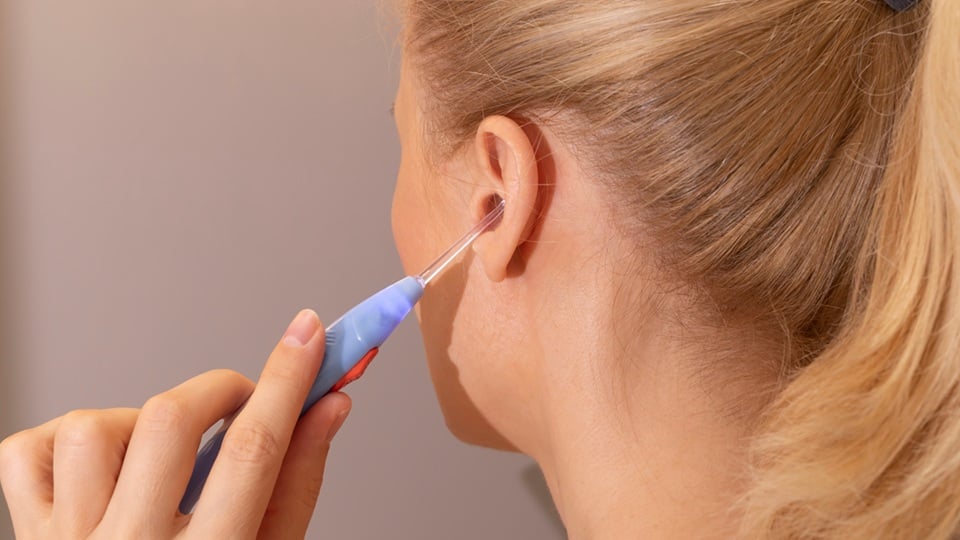
Ear wax is a natural defense mechanism for your body. It traps dust, prevents bacteria from growing, and keeps the delicate skin of your ear canal moisturized. However, when it builds up too much, it can cause muffled hearing, discomfort, or even a persistent ringing sensation known as tinnitus.
If you are struggling with a blockage, knowing how to handle it safely is vital. Here are six simple steps for effective ear wax removal to help you regain clarity and comfort.
1. Identify the Symptoms of a Blockage
Before attempting any treatment, you need to be sure that ear wax is actually the culprit. Common signs of a buildup include a feeling of fullness in the ear, sudden or partial hearing loss, and occasional earaches.
If you experience severe pain, drainage, or a fever, you should avoid home remedies and seek professional help immediately. Searching for ear wax removal near me is the quickest way to find a local specialist who can examine your ear with an otoscope to confirm if a blockage exists.
2. Soften the Wax with the Best Ear Drops for Wax Removal
Hard, impacted wax is difficult to move and can be painful if you try to clear it while it’s dry. The first active step in any removal process is softening the wax.
You can use over-the-counter solutions, but many experts recommend olive oil or urea hydrogen peroxide. Using the best ear drops for wax removal twice a day for about three to five days will help break down the density of the wax, making it much easier for the ear to naturally expel it or for a professional to clear it later.
3. Avoid Cotton Swabs and Sharp Objects
It is a common habit to reach for a cotton swab when your ears feel itchy or blocked. However, this often does more harm than good. Cotton swabs tend to push the wax deeper into the ear canal, pressing it against the eardrum. This can lead to impaction or even a perforated eardrum. To ensure the best ear wax removal experience, keep everything smaller than your elbow out of your ear canal.
4. Consider Modern Microsuction Ear Wax Removal
If drops alone aren’t doing the trick, it is time to look at clinical methods. Traditionally, many people used “ear syringing,” which involves flushing the ear with water. However, this carries a risk of infection or pressure damage.
Today, microsuction ear wax removal is considered the gold standard. This procedure uses a small, medical-grade vacuum to gently lift the wax out of the ear. It is a dry procedure, meaning there is less risk of infection, and the clinician can see exactly what they are doing through a microscope the entire time.
5. Use Gentle Irrigation (If Appropriate)
If you prefer a water-based method at home, only use a soft rubber bulb syringe and lukewarm water. After using softening drops for several days, gently squirt the water into the ear canal. Tilt your head to let the water drain out.
Note that this method isn’t for everyone. If you have ever had a perforated eardrum or ear surgery, you must skip this step and go straight to a professional.
6. Maintain Good Ear Hygiene
Once your ears are clear, the goal is to keep them that way. For most people, the ears are self-cleaning; the skin grows in a spiral pattern that migrates wax out on its own. To support this, you can use a few drops of olive oil once a week to keep the wax soft.
If you are prone to heavy buildup, booking a regular check-up with a professional is the best way to prevent a total blockage from returning.
Why Choose Professional Care?
While home care works for minor issues, impacted wax often requires a steady hand and specialized tools. Attempting to dig out wax yourself can lead to long-term hearing damage or painful infections.
At Gloucester Ear Health Clinic, we provide a safe, clinical environment to help you hear clearly again. We specialize in microsuction ear wax removal, offering a quick and painless solution to even the most stubborn blockages. Our team focuses on your comfort and long-term ear health, ensuring that every patient leaves with a clear understanding of how to manage their hearing.